Home/Films
Ordered the way the centuries ran. Each entry opens onto that film’s chapters and the sources it was built from.
6 films·1250 BC – AD 120
The oldest world we can still read directly, and it is far better documented than it looks: an attendance register kept in two colours of ink outside Thebes, marble building accounts from the Athenian acropolis, a birthday invitation written on birch wood at a fort in northern Britain, and a town buried with its election notices still on the walls.
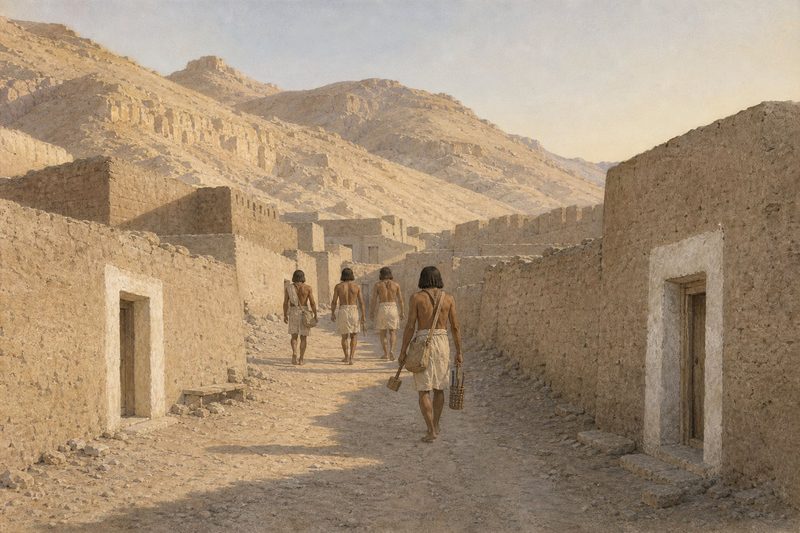 1250 BC
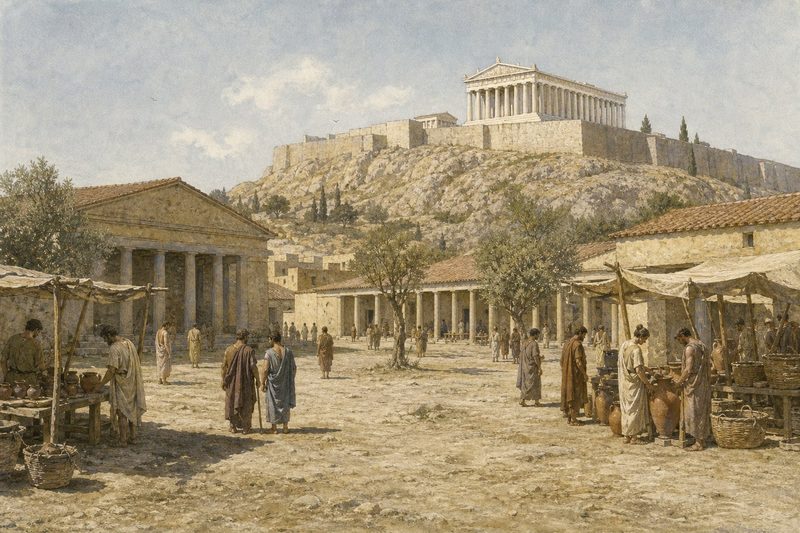 430 BC
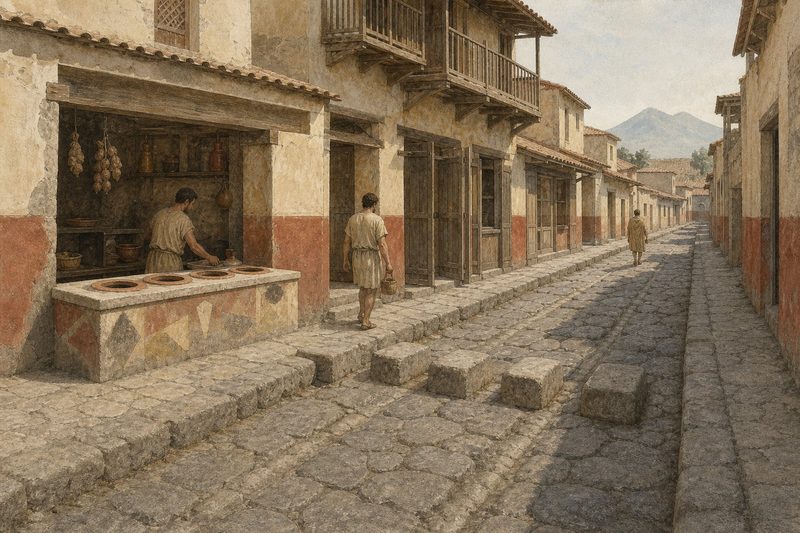 AD 79
AD 79
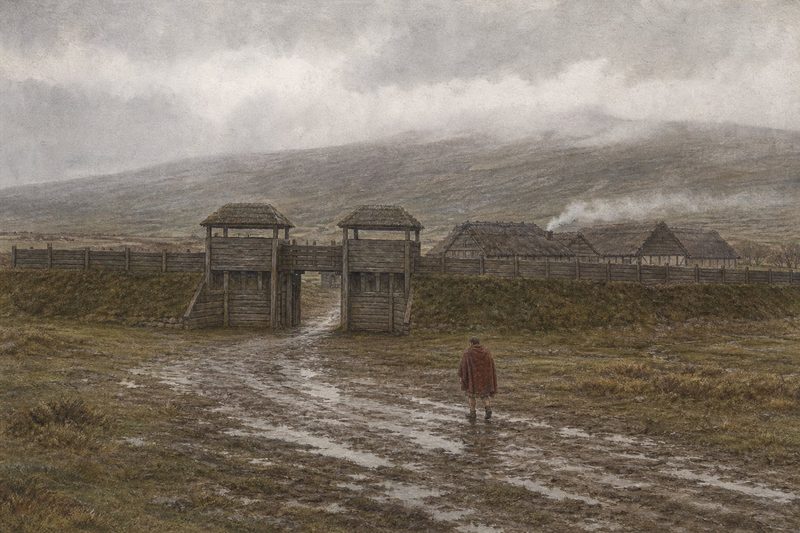 c. AD 100
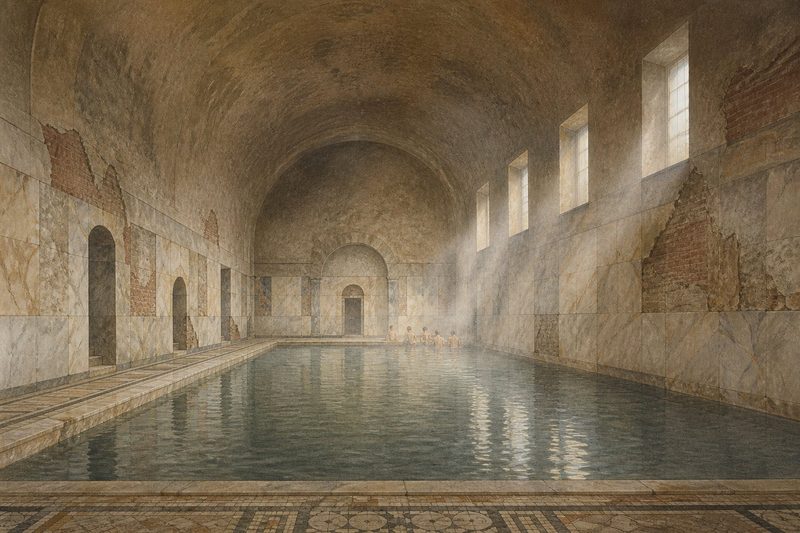 1st–2nd c. AD
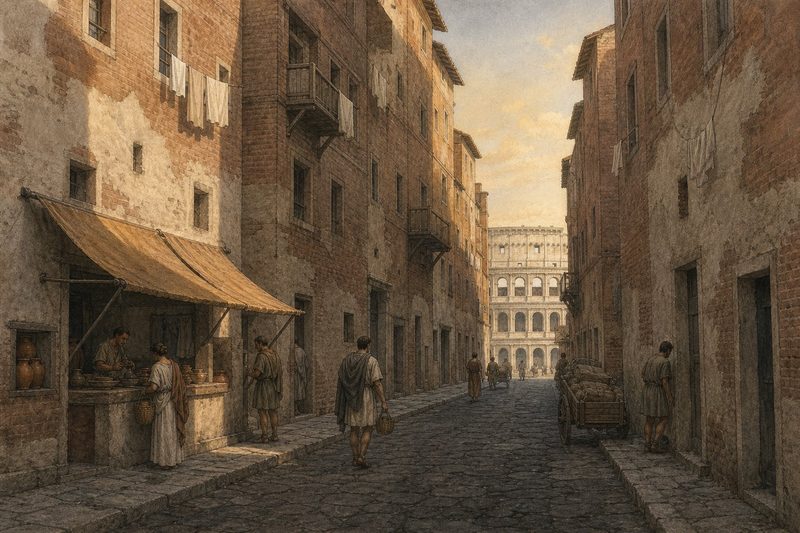 AD 120
4 films·1250s – 14th–17th c.
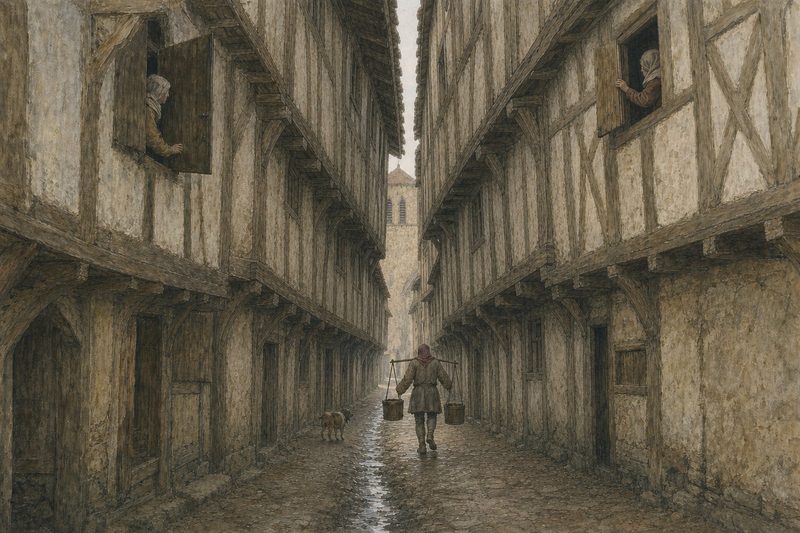
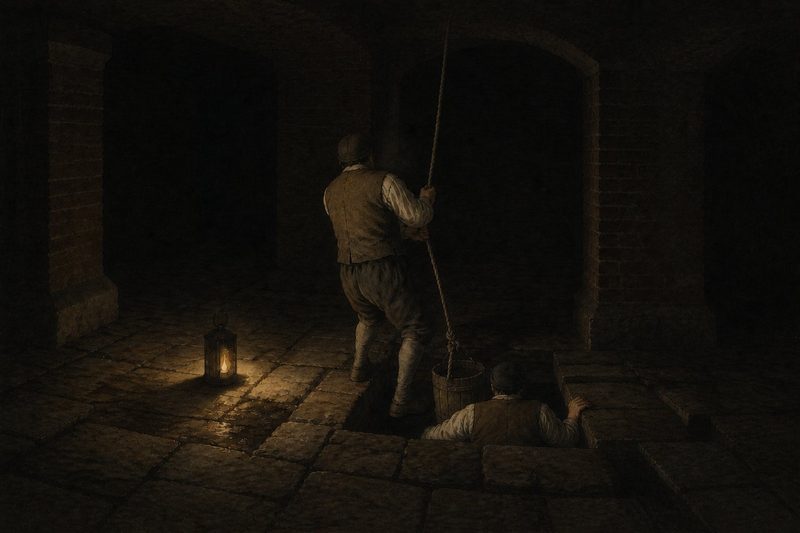
Cities that counted everything and wrote most of it down. These films are built from coroners’ rolls and assize records, guild statutes and street cries, manorial accounts — and, increasingly, from the rubbish pits and the bones underneath them.
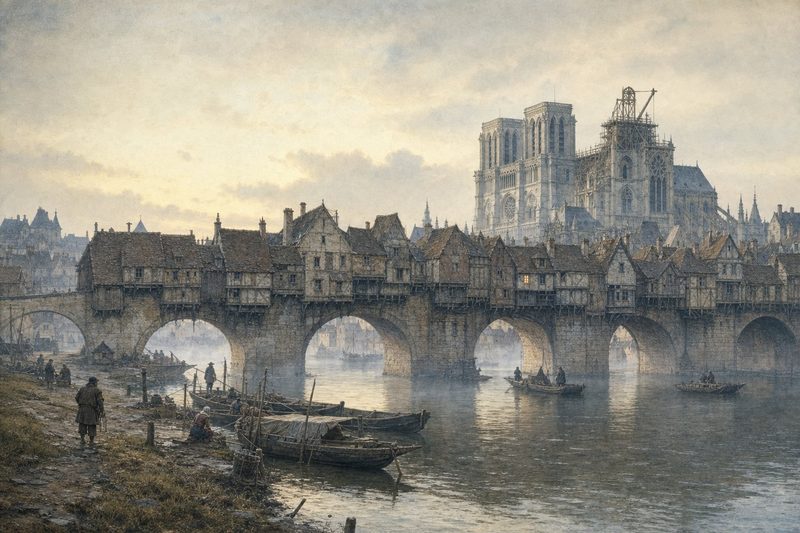 1250s
1250s
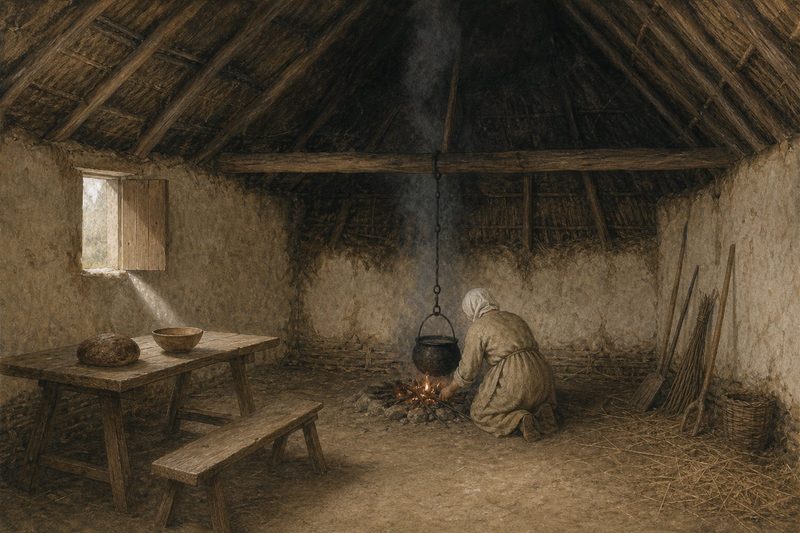 c. 1300
 1340s
1340s
 14th–17th c.
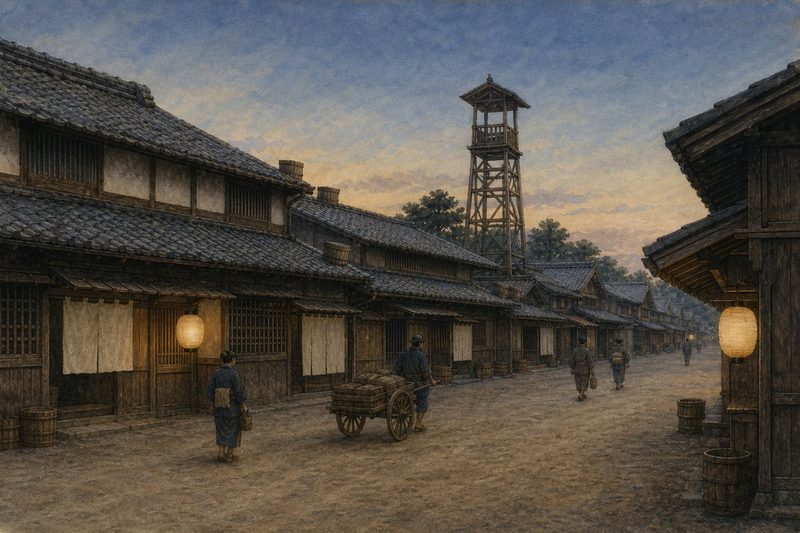
3 films·1543 – 1700
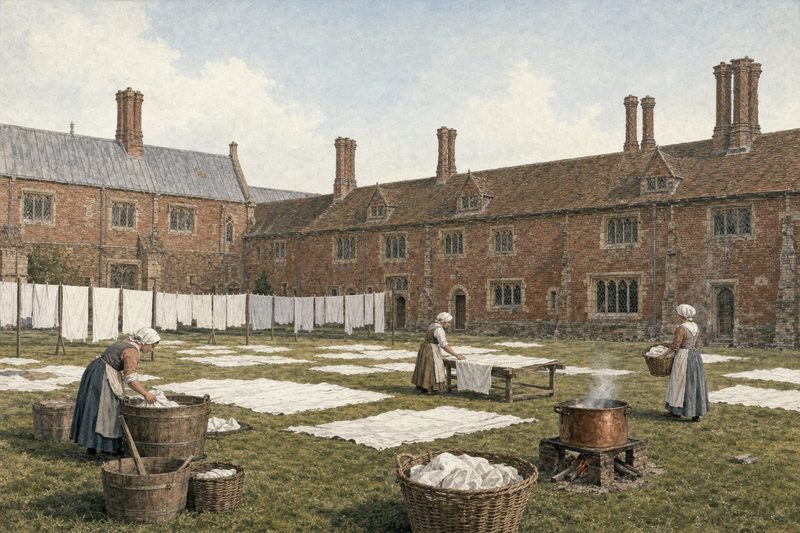
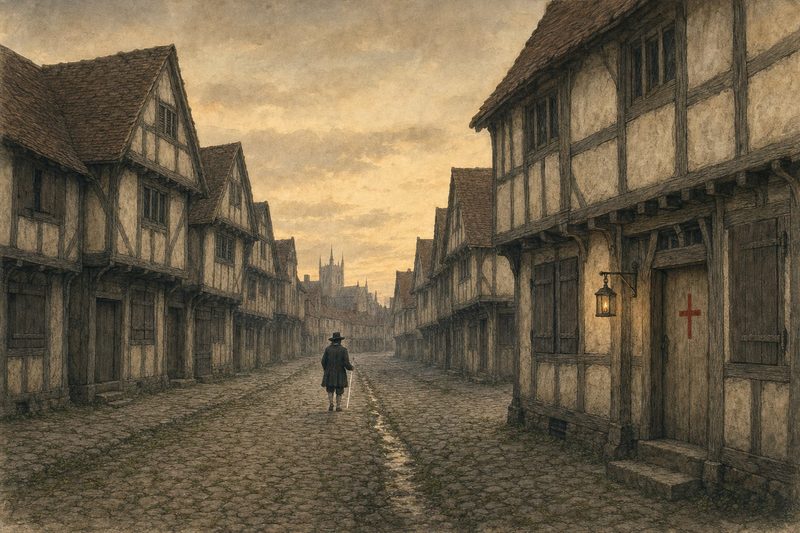
Parish ledgers, household accounts and printed guides — the century when the paperwork of ordinary life becomes thick enough to follow one woman through a single working Monday, or to price the water arriving in a city of a million people through wooden pipes.
 1543
1543
 1665
1665
 1700
1700
2 films·1841 – 1850s
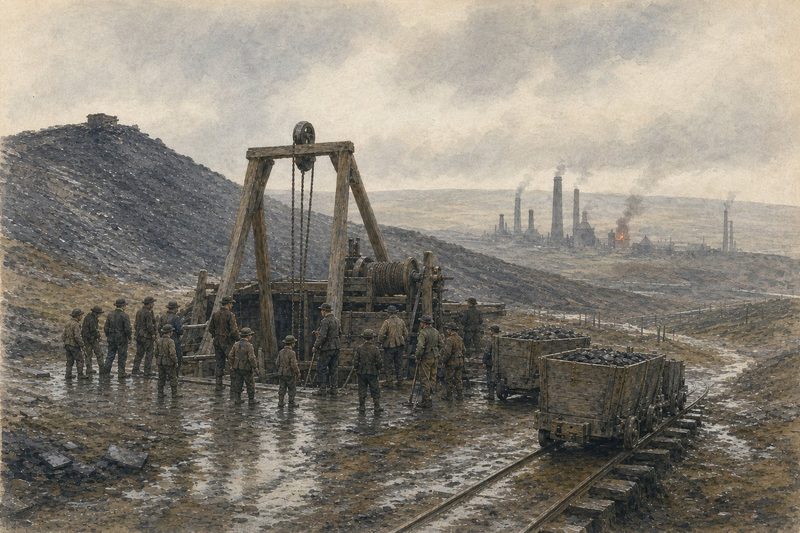
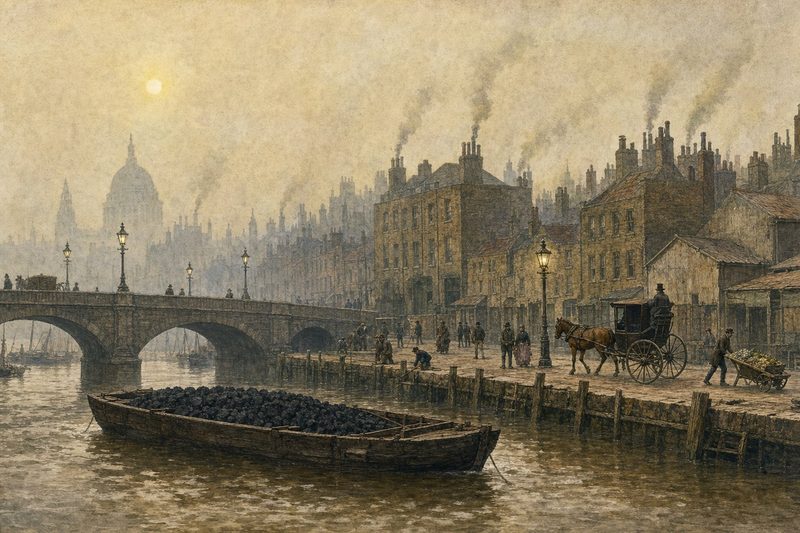
The era that investigated itself. Parliamentary inquiries, censuses, sanitary reports and cheap newspapers mean the poorest people in these films are frequently speaking under their own names — a nine-year-old collier among them.
 1841
1841
 1850s
1850s